

Children grow at different rates throughout childhood, and no two growth patterns are exactly alike. Some children are naturally shorter because of their family genetics, while others simply experience growth spurts later than their peers. However, when growth slows unexpectedly or a child consistently falls behind on the growth chart, it’s worth exploring whether an underlying medical reason could be contributing.
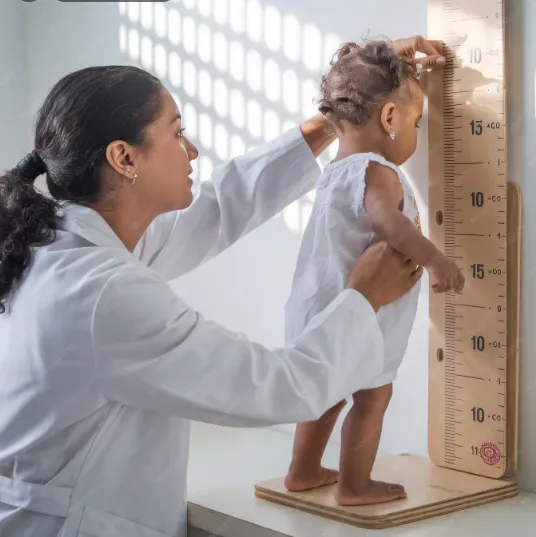
Early evaluation doesn’t always lead to treatment—but it can provide valuable answers and peace of mind for families.
Growth Is a Long-Term Trend
One height measurement rarely tells the whole story. Instead, healthcare providers look at growth over months and years to determine whether a child is developing as expected.
During routine visits, providers typically monitor:
-
Annual height gain
-
Weight changes
-
Body mass index (BMI)
-
Height percentile
-
Family growth history
-
Puberty progression
A child who continues growing steadily—even if they are shorter than average—may simply be following their own healthy growth pattern.
When Slower Growth Deserves Attention
While many cases of short stature are completely normal, certain growth patterns may warrant additional evaluation.
Parents may consider speaking with their healthcare provider if their child:
-
Has noticeably slower yearly growth
-
Falls off their previous growth curve
-
Is significantly shorter than expected based on parental height
-
Shows delayed puberty
-
Experiences poor weight gain
-
Has chronic digestive or inflammatory symptoms
These signs do not necessarily indicate a serious medical problem, but they can help identify children who would benefit from further assessment.
Factors That Influence Height
Healthy growth depends on much more than genetics.
Several systems throughout the body work together to support normal development, including:
-
The endocrine system
-
Nutrition
-
Bone health
-
Sleep
-
Physical activity
-
Thyroid function
-
Digestive health
-
Overall medical wellness
If one of these areas is affected, growth may slow before other symptoms become obvious.
A Comprehensive Growth Evaluation
When growth concerns arise, specialists gather information from multiple sources to understand the complete picture.
An evaluation may include:
-
Review of growth records
-
Detailed medical history
-
Physical examination
-
Bone age imaging
-
Laboratory testing
-
Assessment of pubertal development
-
Family height analysis
This comprehensive approach helps distinguish between normal growth variation and conditions that may require medical attention.
Understanding Modern Treatment Options
Every child’s situation is different, so treatment recommendations should always be individualized.
Some children simply benefit from continued observation, while others may require treatment for an underlying medical condition affecting growth. Families researching Hgh height growth often discover that healthcare providers consider much more than a child’s current height before making recommendations.
Growth velocity, hormone testing, bone age, predicted adult height, and overall health all contribute to determining the most appropriate course of care.
Considering the Financial Aspect
If therapy is recommended, parents naturally want to understand the financial commitment involved.
Learning about Growth hormone treatment costs ahead of time allows families to discuss insurance coverage, prior authorization requirements, medication assistance programs, and potential out-of-pocket expenses before treatment begins.
Being informed financially is just as important as understanding the medical aspects of care.
Why Timing Matters
Childhood offers a limited opportunity for height growth. As children move through puberty, their growth plates gradually mature until they eventually close.
This is one reason healthcare providers encourage families not to ignore persistent growth concerns. Early evaluation provides more time to determine whether observation, additional testing, or Height treatment may be appropriate while meaningful growth potential still exists.
Even if treatment is never needed, understanding the reason behind slower growth can help families make informed decisions with confidence.
Supporting Healthy Growth Throughout Childhood
Regular pediatric checkups remain one of the best ways to monitor a child’s development. Consistent height measurements, careful tracking of growth patterns, and open communication with healthcare providers help ensure that potential concerns are recognized early.
Whether a child is simply a late bloomer or has an underlying medical condition, timely evaluation allows families to better understand their child’s growth journey and make decisions that support long-term health and development.